
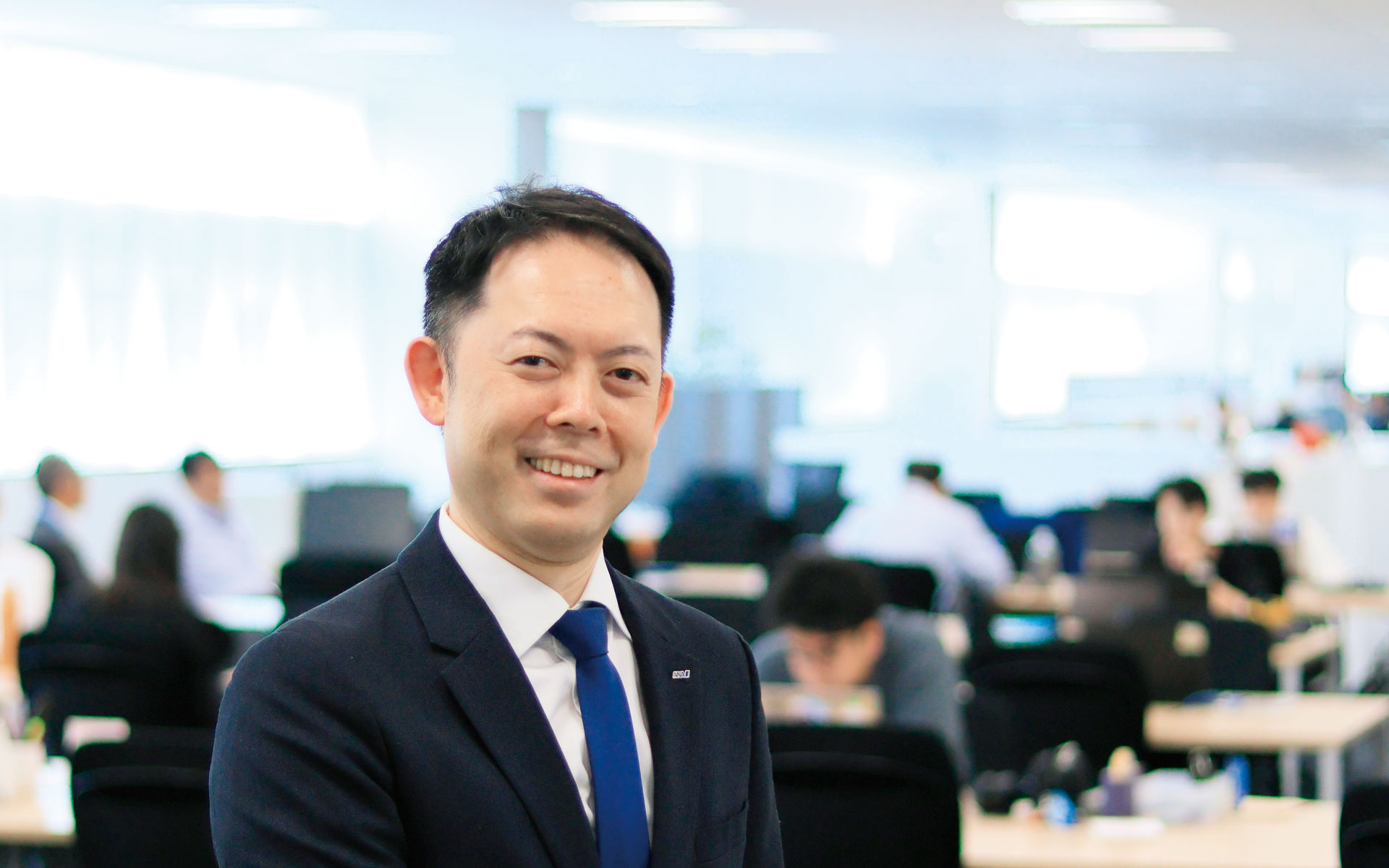
ANA人財大学の採用チームリーダーの「これまでのキャリア」と「転機」
share


▶︎ “I Want to Support People in Need while Remembering Where I Come From”
「原体験を忘れずに、“しんどい人”を支えていきたい」

「自分の仕事は、採用がゴールではありません」
真っすぐ前を見つめながら、こう力を込めるのは「ANA人財大学」業務推進・採用チームのリーダーを務める溝内亘(みぞうちわたる)。
人事部の中で、ANAグループの採用、人・組織開発(研修・変革塾)を専門的に担うANA人財大学(以下、人財大学)。“人こそが会社の大切な財産”という意味を込め、「人財」という表記が用いられているという。社員がキャリアを自らの手で切り拓いていくことを支えるため、人事異動だけではなく、社内公募制度などとも連動しながら、人財の登用や成長の機会づくりを進めている。溝内は言う。
「採用した人たちの入社後の活躍を“線”で見ることができるのも、人財大学に籍を置いている価値だと、私は思っています。社内のカフェテリアを覗けば、私が採用に関わった人たちが大勢いて。彼らから『あ、溝内さん!』なんて声をかけられると、しみじみ思うんです。自分は最高の仕事に就いていると。皆さんが入社後頑張って成長する姿を見ることができるのは、私にとって極上の喜びなんです」
職員室の先生のような気分、と顔を綻ばせる溝内だが、ここで居住まいを正すと、次のように言葉を続けた。
「いっぽうで入社後、燻ってしんどくなってしまう人も、なかにはいます。そういう人には、本人も気づいていないその人が持っている強みを、対話の中で一緒に探索し、私から期待を込めてフィードバックするように努めています」
保険業界、人材業界などを経て、ANAにキャリア入社した溝内。じつは彼自身、かつて大きな挫折を味わったことがあった。その経験があるからこそ、伸び悩む後輩には、決まってこんな言葉を投げかけ、その背中をそっと押しているという。
「将来、あなたが活躍している姿が、私にはもう見えてますよ」
今回は、数多の社員を“宝”へと磨き、導くスペシャリストに聞いた“人事の流儀”――。
「仕事が楽しすぎて、休むのも忘れて働いた」

「新卒で入ったのは外資系の生命保険会社。そこで4年弱、法人営業を担当していました」
従事したのは代理店向けに、保険の提案方法や意義を説明する仕事。だが、そのころから溝内は、採用にも興味を抱くことに。
「代理店の社長たちの多くが、採用に課題を抱えていました。一緒にお酒を飲めば、どこの社長も異口同音、『誰かいい人いない?』と。営業担当の私としても、これは看過できない、取り組むべき課題だと思ったんです」
ここで溝内は、思い切った転身を図る。「ならば、いっそのことプロに学ぼう」と人材サービスの最大手企業に転職するのだ。
「その会社には12年ほどお世話になりました。『第二新卒』向けのキャリアアドバイザー業務に携わったり、総合重工メーカーが進めていた日本初の国産ジェット旅客機開発プロジェクトの人材採用に関わったり。また、社会課題である介護業界の就業者増を目指す新規事業に携わったりも。思い出深い仕事をいくつもさせてもらいました」
遮二無二働いた。自らを「日本でいちばん働く34歳」などとうそぶき、仲間内の笑いを誘うこともあった。
「介護職のブランディングを担う新規事業に従事していたときは、もう仕事が楽しすぎて……。まるでゾーンに入ったような感覚で、休むことを忘れてしまっていた。なにより、自分の体を過信していたんだと思います」
2015年9月だった。
36歳になった溝内は、先述の新規事業に関するセミナーや講演で全国を飛び回っていた。残暑の厳しかったその日も自宅で、翌朝からの出張に備えていた。
「すると突然、息がうまく吸えなくなってしまったんです。『あれ?』と思うと同時に意識を失い、次に気がついたのは病院、集中治療室のベッドの上でした」
いったい、なにが起きたのか――。混乱する溝内に医師が告げた病名は、急性心筋梗塞だった。
「心が折れた」リハビリ中に理学療法士からかけられた言葉

「健康診断はずっとオールAでしたから、最初は医師にも『ありえない』と異議を唱えました。『明日のセミナーにも登壇しないといけないんです』と話す私に、医師は『そんなことしてたら、死ぬよ』と……」
そこからは、さまざまなネガティブな感情に苛まれた。
「最初は“なんで俺なんだ”という怒り。次に、魂を込めていた事業から離脱しなければならない悔しさと、“死ぬのかな”という恐怖。さらには、活躍を続けている同僚たちへの焦りの感情が芽生え、最後は“もう終わった”という諦めでした」
昼間、見舞いに来た家族には強がって見せても、夜は病床でひとり震えていたという。
「このまま目覚めないかも、と思うと怖くて眠りにもつけない。真っ暗な病室でまんじりともせずにいると、悔しさなのか、悲しさなのか、怖さなのかわからないんですけど、涙が勝手に溢れてきて止まらなかった」
悶々とした感情を抱えながらの入院生活が1か月ほど経過し、本格的にリハビリが開始した。
「ですが、すっかり心が折れている私は“いや、もういいです、どうせ治らないんでしょ”という捨て鉢な思いしかなくて。すると、その日の担当だった理学療法士さんが言ったんです。ちょっと乱暴な言い方で『さっさと始めるぞ』って」
それでも「トイレに行くだけで息が上がるんです」と素直に従おうとしない溝内に、サーファー風の出立ちの理学療法士は、続けてこう畳み掛けた。
「とっとと復活して、またバリバリ仕事すんだろ?俺には見えてるよ、その姿が。ほら、さっさとリハビリ、始めるぞ」
ちょっと失礼な物言いに戸惑いながら、溝内はどこか、心躍るような感情が芽生えたという。
「初対面なのに、そんな人から言われた『俺には見えてる』という言葉が、そのときの私には妙に刺さったんです」
そこからは、きついリハビリに懸命に取り組んだ。エアロバイクを延々と漕ぎ、心筋梗塞患者のための体操にも汗を流した。
「彼の、あのときのぶっきらぼうな言葉が、ずっと心に残って。『見せてやるよ!』って感じでした(笑)」
2016年2月。溝内は仕事復帰を果たしたのだった。
「思ったとおり泥臭く、人間臭い会社だった」

復帰後、当時勤めていた会社をほどなくして退職。IT系のコンサル企業を経て2018年2月、ANAの門を叩いた。
「次は、もっと泥臭くて人間臭い会社で働いてみたいと思っていました。その点、航空業界というのは人の力を大事にする、そんなイメージがあったんです」
さらに、溝内には抱き続けていた、積年の思いもあった。
「幼少のころは祖父母が暮らす鹿児島へ、ANA便で行くのが楽しみで。飛行機はもちろん、空港で働く人の姿を眺めるのが、大好きだったんです。それと、国産ジェット旅客機の開発に携わる人たちの採用を手伝ったことがあると言いましたよね。採用プロジェクトが終わってしばらく経った頃、その飛行機のローンチ・カスタマーがANAだと聞いたんです。自分が採用した人たちが作る飛行機、それが実現した暁には、今度はその飛行機を飛ばす人の採用・育成にも関わってみたい、そんな夢を持っていたんです」
果たして、入社したANAは、「思ったとおり泥臭く、人間臭い会社だった」と溝内は笑った。
「印象深かったのが、入社早々に教わった一見少しネガティブな印象すら受ける『現在窮乏、将来有望』という言葉。ANAの70年以上の歴史のなか、連綿と受け継がれてきたものです」
溝内が入社した当時のANAは、オリンピックの自国開催を目前に控え、売り上げも右肩上がり。“窮乏”どころか、絶好調だった。「なのに、なぜいま、こんな言葉を?」。キャリア入社研修で「不思議に思った」という。
「ところが、ご存じのようにその2年後、世界はコロナ禍に襲われ、私たちも長期間、飛行機を飛ばすことができないという大変な苦境に。その、つらいときに私自身、あの言葉にどれほど救われたか。そして、動じることなく『将来有望』を信じ前を向き続ける大勢の先輩方の背中と仲間たちのひたむきな姿勢を見て熱いものを感じました。そして、私もその思いをしっかり引き継いでいきたいと思いました。そして、ANAの人たちの尋常ではなく高い環境適応力に舌を巻きました。おそらく、これからも浮き沈みはあるし、苦難も待ち受けているでしょう。それでも、ANAはきっと見事に、一致団結してその窮地を乗り越えていくはずです」
溝内にはもう一つ、大事にしている言葉がある。それは、あの理学療法士から不意にぶつけられた、あの言葉。
「絶望していたあの日、『俺には見える』と言われ、なぜか私はもう一度、顔を上げることができた。いま振り返って思うのは、自分の未来を自分以上に信じてくれて、当たり前のように『できるよ』と言われると、想像以上に嬉しく、勇気を持てるということ。ですからいまも、この先も、本当にしんどい人がいたらあの原体験を忘れずに、支えていこうと思っているんです」
撮影 水野竜也
取材・文 仲本剛
“I Want to Support People in Need while Remembering Where I Come From”
ANA JINZAI University Recruitment Team Leader’s career path and turning points
Wataru Mizouchi is the leader of the Business Promotion and Recruitment Team at ANA JINZAI (Human Resources) University. He is in charge of recruitment and training for the ANA Group. Wataru’s own experience shaped his current view on work that recruitment is not the end goal. How did his approach of engaging with people and supporting them come about?
“In my job, recruitment is not the end goal.”
Looking straight ahead, Wataru Mizouchi, the leader of the Business Promotion and Recruitment Team at ANA JINZAI (Human Resources) University, speaks those words with conviction.
ANA JINZAI University specializes in recruitment and training for the ANA Group within the HR department. The term “jinzai,” or human resources, is used to convey the idea that people are the company’s most valuable asset. To support employees in forging their own career paths, the university promotes the appointment and growth of talent not only through staff reassignment but also through internal job posting systems and other initiatives.
Wataru: Working with JINZAI University means that I get to witness their growth journey over time, which makes it all worth it. I’d peek into the company cafeteria and see many people I helped hire. It makes me really happy when they notice me and call out to me. In those moments, I can’t help but think that I have the best job in the world. Seeing everyone work hard after joining the company and grow over the years makes me the happiest.
Wataru’s face lights up as he says he feels like a teacher watching over his students from the faculty office, but he composes himself and continues.
Wataru: On the other hand, some new hires struggle and become discouraged after joining the company. I make sure to always work with them through conversations to uncover strengths they may not even realize they possess and give them clear feedback to show that I have high expectations for them.
Wataru went from working in the insurance and HR industries to working for ANA. He himself experienced a major setback in the past. This is why he always makes it a point to encourage his juniors who are struggling, with words like, “I can already see you thriving in the future.”
In this article, we hear about the HR philosophy of a specialist who has polished and guided countless employees to become “treasures.”
“I loved my job so much that I forgot to rest.”
Wataru: I joined a foreign-affiliated life insurance company right after graduating from college and worked there for almost four years. I was in charge of corporate sales.
His job involved explaining how to sell insurance and its benefits to agencies. However, he also started being interested in recruitment around that time.
Wataru: Many of the agency presidents were struggling with recruitment. Whenever we went out for drinks, they would all ask me if I knew anyone suitable. As a sales representative, I felt this was an issue I couldn’t ignore and had to address.
This is when Wataru decided to make a bold career change. He thought, “In that case, I might as well learn from the pros,” and started working for a leading company in HR services.
Wataru: I worked for that company for about 12 years. I worked as a career advisor for recent graduates who already had some work experience. I was also involved in recruitment for a major heavy machinery manufacturer’s project to develop Japan’s first domestically produced jet airliner. Additionally, I worked on a new initiative aimed at increasing employment in the nursing care industry, which is a major social issue. I am grateful that I was able to work on many memorable projects.
He worked so relentlessly that he would sometimes joke about how he was the hardest-working 34-year-old in Japan, drawing laughter from his colleagues.
Wataru: I really enjoyed working on the new business around branding the nursing care profession. I was in the zone and completely forgot to rest. More than anything, I think I was overestimating my own physical limits.
Fast forward to September 2015.
Wataru was 36 years old at the time and was traveling all over Japan to give seminars and lectures related to the new business mentioned above. One hot summer day, he was at home preparing for a business trip starting the next morning.
Wataru: Then, all of a sudden, I couldn’t breathe properly. I didn’t even have time to ask myself what was happening before I lost consciousness. I woke up in a hospital bed in the ICU.
What had happened? The doctor told a confused Wataru that he had suffered an acute myocardial infarction.
How a physical therapist’s words pulled him back from the brink.
Wataru: My health check-ups had always come back perfect, so at first, I protested to the doctor, saying that there had to be a mistake. I mentioned that I had to speak at a seminar the next day, and the doctor told me, “If you go, you will die.”
After that, he was tormented by all sorts of negative emotions.
Wataru: I was initially angry. I wondered why this was happening to me. Then, I was frustrated because I had to step down from the business I had poured my heart and soul into. Next, I was afraid that I might die. This transformed into growing anxiety at the thought of my colleagues still thriving without me. Finally, I felt a sense of resignation, thinking it was all over.
He would put on a brave face for his family visiting him at the hospital during the day, but at night, he would tremble, all alone in his bed.
Wataru: The terrifying thought that I might never wake up kept me up at night. I stayed wide awake in the pitch-black hospital room, and tears would start flowing down my face uncontrollably. I didn’t know if it was due to frustration, sadness, or fear.
After being admitted to the hospital for a month, overwhelmed with distress, he began his rehabilitation.
Wataru: I was completely defeated. All I could think was that I would never get better and that there was no need to keep trying. Then, the physical therapist in charge that day said, in a rather blunt tone, “Anyway, let’s just get started.”
Wataru refused, saying that just going to the bathroom made him out of breath. That is when the physical therapist, who looked like a surfer, said firmly, You’re going to bounce back and get back to work in no time. I can already see you thriving. Come on, let’s start rehab.”
Wataru was taken aback by the therapist’s slightly rude tone, but he also felt a strange sense of excitement welling up inside him.
Wataru: We had just met each other, but when he said, I can already see you thriving. It really struck a chord with me at the time.
After that, he committed himself to the tough rehabilitation, pedaling endlessly on the exercise bike and sweating through physical exercises designed for people having suffered a myocardial infarction.
Wataru: I couldn’t get his blunt words out of my head. I thought I just had to show him what I could do. (laughs)
In February 2017, Wataru managed to return to work.
“It was a simple, down-to-earth company, just as I’d imagined.”
After returning to work, he soon resigned from his company. He worked at an IT consulting firm and finally knocked on ANA’s door in February 2018.
Wataru: I wanted to work at a company that was simple and down-to-earth, and I viewed the aviation industry as a place that valued the strength of people.
He also had a long-held dream.
Wataru: When I was a child, I looked forward to taking ANA flights to Kagoshima, where my grandparents lived. Of course, I loved the airplanes themselves, but I also loved watching the airport staff work. Earlier, I mentioned that I helped with the recruitment of staff involved in the development of a Japanese-made jet airliner. A little while after that recruitment project ended, I heard that ANA was going to be the launch customer for that aircraft. I had a dream that once the aircraft built by the people I had helped recruit became a reality, I would be involved in recruiting and training the pilots who would fly the aircraft.
Wataru laughs, remembering what he thought when joining ANA: “It was a simple, down-to-earth company, just as I’d imagined.”
Wataru: The phrase “Hardship Now, Yet Hope for the Future” which I learned shortly after joining and may sound slightly negative, left a deep impression on me. It has continued to be passed down throughout ANA for more than 70 years.
Wataru joined ANA when the company was preparing for Japan to host the Olympics. Sales were soaring, so the company was far from struggling. It was actually the opposite; it was thriving. He remembers asking himself during his new hire training why they would use such a phrase at that moment.
Wataru: However, as you know, the world was hit by the COVID-19 pandemic two years later. We faced a crisis, as we couldn’t operate flights for a long period of time. Those words really comforted me in those hard times. Seeing all my senior colleagues still believing in a “promising future” and keeping their heads up, as well as the dedicated attitudes of my peers, gave me back the motivation I was slowly losing. It made me decide to firmly carry on that spirit. I was also amazed by how everyone here was so good at adapting to different situations. I am sure there will be many ups and downs in the future, and we will surely face numerous hardships. Despite all this, I am certain all of us at ANA will work together as one to overcome these challenges.
Another phrase that Wataru cherishes more than anything is the one his physical therapist said unexpectedly.
Wataru: I was feeling particularly desperate that day, and when he told me, I can already see you thriving. It made me keep my chin up for some reason. Looking back now, I realize that someone believing in your future more than you do yourself and telling you, ”You can do it,” like it’s nothing, can bring you more joy and courage than you could ever imagine. That’s why, both now and in the future, I intend to support anyone I encounter who might be struggling without forgetting my own experience.
“When handling recruitment, I work backward from what ANA should aim to be in the future to determine what kind of talent I would like to join the company.”
About his time in the ICU after collapsing, Wataru shares, “I still didn’t really understand what had happened to my body at the time.”
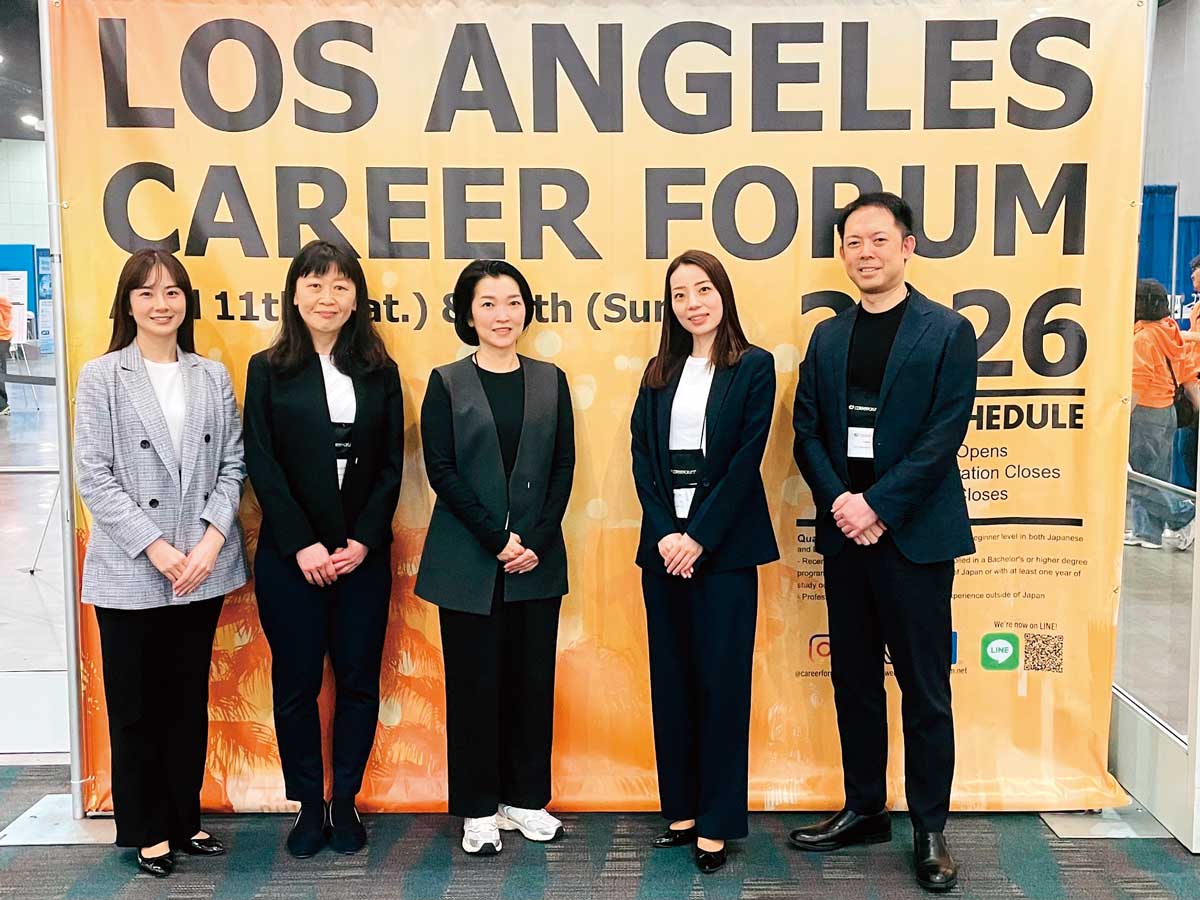
Last April, Wataru attended the LOS ANGELES CAREER FORUM. “ANA is currently focusing on digital transformation and overseas expansion. We are also actively working on recruitment abroad.”
“The doctors and all the medical staff who supported me when I was battling my illness, as well as my colleagues at ANA, showed true professionalism, which is something AI could never replicate.”
Photographer: Tatsuya Mizuno, Interviewer/Writer: Takeshi Nakamoto
“我不会忘记亲身经历,想支持处在困难中的人”
全日空人财大学招聘团队负责人的 “职业生涯”与“转折点”
担任全日空人财大学业务推进・招聘团队负责人的沟内亘,负责全日空集团的人员招聘与培训工作。“招聘不是终点”——这句话的背后,有着塑造了他现在工作观的亲身经历。直面他人,支持他人。这种“流仪(理念)”是如何诞生的呢?
“招到人并不是我工作的终点。”
目不转睛地直视前方,斩钉截铁说出这句话的人是担任“全日空人财大学”业务推进・招募团队的负责人沟内亘。
全日空人财大学(以下简称人财大学)与人事部门紧密协作,专门负责人员·组织开发(包含培训与变革研修课程)的工作。据悉,这里特地使用“人财”这一说法,寓意为“人是公司最宝贵的财产”。为了支持员工们亲手开拓自己的事业,人财大学与包括人事异动在内的公司内部招聘制度等进行联动,积极推进人才的任用和成长机会。沟内如此说道:“我认为,能够以‘线’的方式观察录用者入职后的表现,正是参与人财大学的价值所在。望向公司的咖啡厅,那里就有很多我参与招进来的人。当他们对我打招呼时,我就会深有感触。我从事的是最棒的工作。能够看到大家努力进步的样子,对我来说就是无上的喜悦。
沟内脸上洋溢着宛如办公室里的老师般的笑容,但随即端正了神色,继续说道:“另一方面,也有人在入职后会逐渐消沉、力不从心。对于这样的人,我会努力向他们反馈,指出连他们自己都未曾发现的优点。”
沟内曾先后在保险行业与人才行业工作,后通过社招入职全日空。其实他本人也曾经历过巨大的挫折。正因为有过这样的经历,每当遇到陷入成长瓶颈的后辈时,他必定会在背后轻轻推上他们一把,说出这样的话:“你将来活跃的身姿,我已经看到了哦。”
本次我们采访了这位将众多员工打磨成“宝藏”,并为他们指引方向的专家,并了解他所秉持的“人事理念”。
“工作太过快乐,忘记了休息”
“刚毕业入职的是外资人寿保险公司。在那里负责了将近4年法人营业的工作。”
他的工作主要是面向代理商,讲解如何提出保险方案及其意义。也正是在那段时期,溝内开始对招聘产生了兴趣。
“很多代理商的社长都为招聘问题所困扰。一起喝酒的时候,每个社长都异口同声地说‘有没有合适的人选啊?’作为营业负责人,我认为这是一个不能忽视、必须着手解决的问题。”
于是,沟内果断换了份职业。“既然这样,干脆就向专业人士学习吧”,于是就跳槽到了人才服务业的龙头企业。
“我在那家公司工作了12年,期间参与了面向‘职场新人的二次就业’的职业规划业务;也参与过综合重工制造企业推进的日本首款喷气式客机项目的人才招聘工作;此外,还参与了旨在解决社会问题、增加护理行业从业者的新业务等。都是令人难以忘怀的工作。”
他不顾一切地工作,甚至自嘲是“全日本最拼命的34岁”,常常令他的伙伴们忍俊不禁。
“我在负责护理行业品牌推广的新业务时,实在太快乐了……就像进入了一个新世界,以至于忘了休息。最重要的是,我对自己的身体过于自信了。”
那是2015年9月的事。36岁的沟内正为前文所述的新业务在日本各地奔波,举办研讨会和演讲。在酷暑依旧的那天,他仍在家中准备着第二天的出差。
“突然间呼吸就变得困难了。正想着‘咦?’就失去了意识,再次醒来时就已经在医院的重症监护室的病床上了。”
到底发生了什么——正当沟内混乱之际,医生告诉他病名为急性心肌梗塞。
因为康复期间理疗师的一句话心灰意冷
“因为健康体检一直全都是A,所以起初我还在质疑医生说‘不可能’。我还说‘明天的研讨会我还得上台发言’。医生却说‘那样做的话,你会死的’……”
在那之后,我就被各种负面情绪折磨。“一开始是‘为什么偏偏是我’的愤怒。接着是不得不离开自己倾注心血的事业的不甘,以及‘我是不是要死了’的恐惧。再后来,对仍在持续活跃的同事们产生了焦虑,最后则变成了‘已经结束了’的放弃。”
白天面对来探望的家人故作坚强,但到了晚上就会在病床上独自颤抖。
“一想到可能再也醒不过来,就害怕得睡不着。在漆黑的病房里辗转反侧的时候,不知道是后悔、悲伤、还是恐惧,泪水就不自觉地涌出,怎么也止不住。”
带着郁闷的情绪度过了1个月的住院生活后,康复训练开始了。
“但是,早已心灰意冷的我只有‘算了,就这样吧,反正也治不好了吧’这种自暴自弃的想法。于是,那天负责的理疗师说话了,用略带粗鲁的语气说道‘赶紧开始吧’。”
尽管如此,面对说着“我光是上个厕所都会气喘吁吁”而拒绝配合的沟内,那位冲浪客风格的理疗师又步步紧逼地说道:“赶紧给我康复,这样就又可以拼命工作了吧?你这幅样子我都看出来了。行了,快点开始康复训练。”
虽然这种有点失礼的语气让沟内感到有点困惑,但在他心里却悄然萌生了一种心潮澎湃的感觉。
“明明是初次见面,在那人说出‘我都看出来了’这句话时,莫名其妙地触动了当时的我。”
从那以后,他拼命投入到了严格的康复训练中。除了长时间骑着健身车,为心肌梗塞患者设计的体操也练得他大汗淋漓。
“那个时候,他那粗鲁的话语一直留在我心里。让我有种‘让你见识一下!’的感觉(笑)。”
2017年2月,沟内终于重返工作岗位。
“正如我所料,是家接地气,又有人情味的公司”
返岗后不久,他就从当时的公司离职。之后在一家IT行业的咨询公司工作,于2018年2月加入了全日空。
“我想的是,接下来一定要在一家更接地气,更有人情味的公司工作。而航空业给我的印象,就是特别重视人的力量。”
另外,沟内这些年来还一直抱有一个梦想。
“小时候,我就很喜欢乘坐全日空的航班去爷爷奶奶居住的鹿儿岛。飞机自不用说,我还特别喜欢看着机场工作人员的身姿。另外,我之前提到过曾参与国产喷气式客机研发人员的招聘工作。那个时候我就听说那架飞机的启动客户是全日空。当那家飞机最终由我参与招聘的人制造完成时,我就抱着‘下次想参与招聘并培训那架飞机的飞行员’的梦想。”
果然,入职之后的全日空“正如我所料,是家接地气,又有人情味的公司”,沟内笑着说:“印象最深刻的是入职不久就被传授的‘现在穷困,未来可期’这句话。虽然有点负面印象,但却是在全日空70多年的历史中一脉相承下来的。”
沟内入职的时候正值奥运会即将在日本举办之际,全日空的营业额也节节攀升。别说穷困了,简直就是状态绝佳。“既然如此,为什么现在还要说这种话呢?”参加社招研修会的时候觉得“很不可思议”。
“然而,众所周知两年后,世界遭遇新冠之灾,我们也经历了长期无法飞行的艰难困境。在那个艰难时刻,我不知道自己被那句话拯救了多少次。而且,看到众多前辈们毫不动摇地相信‘未来可期’,继续向前,我感受到了热诚,并且决心自己也要继承他们的思想。”此外,这里的人们展现出的超乎寻常的环境适应能力也让我叹为观止。或许今后依然会有起伏,也会面临各种困难。但我相信,全日空一定能够团结一致,出色地跨越困境。
沟内还有另一句非常重视的话,就是那位理疗师不经意间对他说的那句话。
“在绝望的那一天,听到那句‘我都看出来了’,不知为何让我再次抬起了头。现在回想起来,当别人比自己更相信自己的未来,理所当然地说‘你能行’时,会让人超乎想像地喜悦、鼓起勇气。因此,无论现在还是未来,如果处在困难中的人,我都不会忘记那段亲身经历,不断支持他们前行。”
“以未来全日空应有的状态为出发点进行倒推,思考需要什么样的人才,以此开展招聘活动”
倒下后不久,在重症监护室。“这时候还不太清楚自己的身体发生了什么”
今年4月,参加在洛杉矶举办的“LOS ANGELES CAREER FORUM”。“公司上下正全力投入在数字化和全球化,我们也在积极开展海外招聘活动”
“在支持自己抗击疾病的医生和医疗从业者身上感受到了AI无法比拟的专业人士的力量。并且在全日空的同事身上也感受到了这种力量。”
摄影 水野龙也
采访、撰稿 仲本刚